
Why This Pillar Matters
RESILIENT WASTE MANAGEMENT
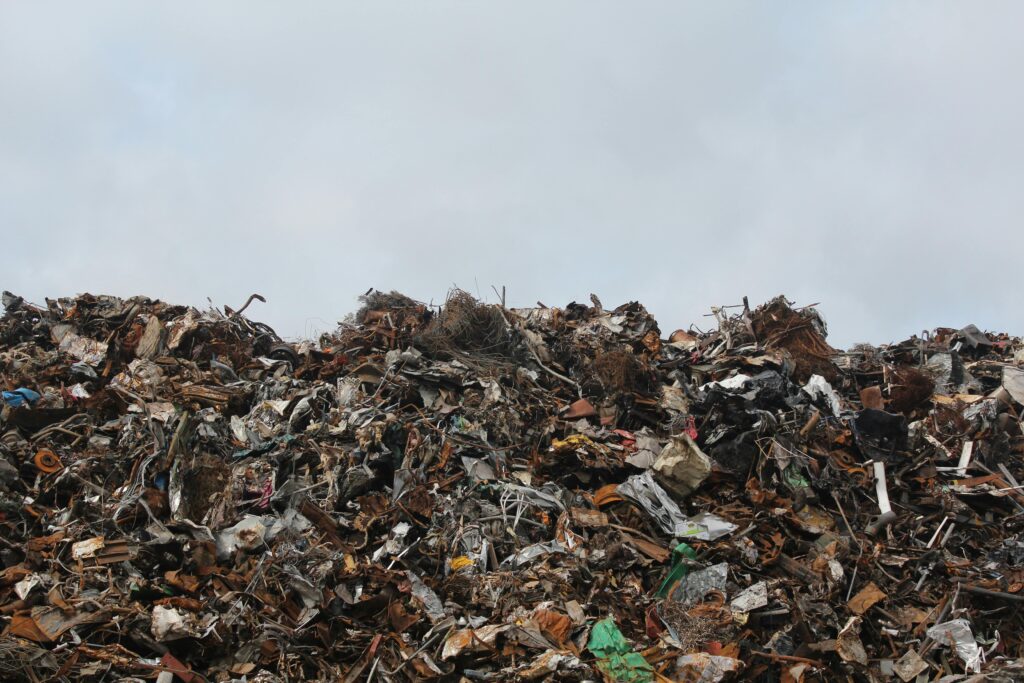
Uganda’s waste crisis is a growing threat to public health and the environment. Piles of uncollected garbage, weak disposal systems, and limited recycling capacity are endangering lives and ecosystems. ARDHI advocates for sustainable waste management rooted in accountability, innovation, and community participation.
The Challenge: Growing Waste, Shrinking Solutions
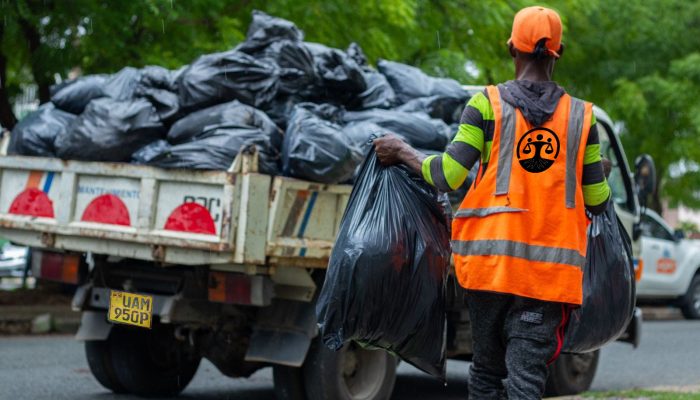
Kampala alone produces over 2,000 tons of waste daily, yet less than half is properly collected.
Uganda’s cities are expanding faster than their waste systems. Poor urban planning, limited budgets, and low public awareness have left households and businesses to dump waste in open spaces or drainage channels. The result: blocked waterways, disease outbreaks, and fires like the Kiteezi landfill disaster warning us of a system on the brink.
Funfact
The Gaps We Must Close
tons of waste generated daily in Kampala
of this waste is collected
of waste in Uganda is recycled

Why This Matters
Waste isn’t just an environmental issue it’s a social one. When dumpsites catch fire or drainage channels overflow, it is the poorest communities that suffer first. ARDHI believes that responsible waste management is a right, not a privilege. Clean cities mean healthier people, stronger economies, and a safer planet.
How We Intervene
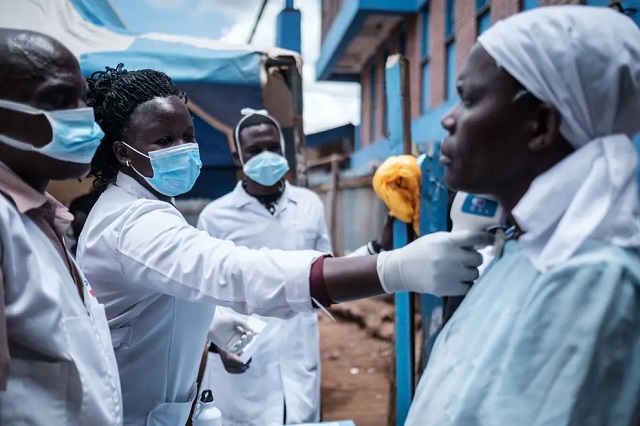
Research and Evidence
Advocacy Dialogues
Legal Guidance
From Grassroots to Policy Change
ARDHI bridges the gap between community experiences and policymaking. Through research, dialogue, and advocacy, we ensure that the lessons learned on the ground directly inform national laws and strategies that create lasting change.
How We Are Impacting Lives
ARDHI empowers urban and peri-urban communities to manage waste responsibly through awareness programs, recycling initiatives, and partnerships with local innovators. We build cleaner, safer environments that protect public health and dignity.
How We Are Shaping Policy
ARDHI engages city authorities and national regulators to strengthen waste governance, promote circular economy principles, and develop clear frameworks for waste segregation and recycling. ARDHI also advocates for better enforcement of environmental standards.
Our Focus Areas
Building cleaner, safer environments through policy and community action.
Women
Advocating for the inclusion of women in waste recycling and circular economy initiatives for income generation.
Youth
Promoting youth-driven waste innovations such as recycling startups and clean-up campaigns.
Child-Headed Families
Supporting clean community environments that reduce exposure to waste-related diseases among vulnerable families.
Persons with Disabilities (PWDs)
Promoting accessibility in waste management employment and community sanitation programs.
Community Work
Mobilizing local groups to engage in responsible waste sorting, recycling, and monitoring of dumping practices.
Policy Focus
Pushing for stronger implementation of Uganda’s National Waste Management Policy with emphasis on enforcement and community accountability.
The Future We Imagine
Imagine cities where every household sorts its waste, where recycling creates jobs, and where no child grows up near a burning dumpsite. Ardhi Law and Policy Initiative envisions a Uganda where waste is seen not as a problem but as a resource for change.
Latest News
Policy & Research
Health Financing Crisis
Uganda’s Health Financing Crisis Examining the sustainability, equity, and efficiency of healthcare funding in Uganda. Introduction The health financing crisis […]
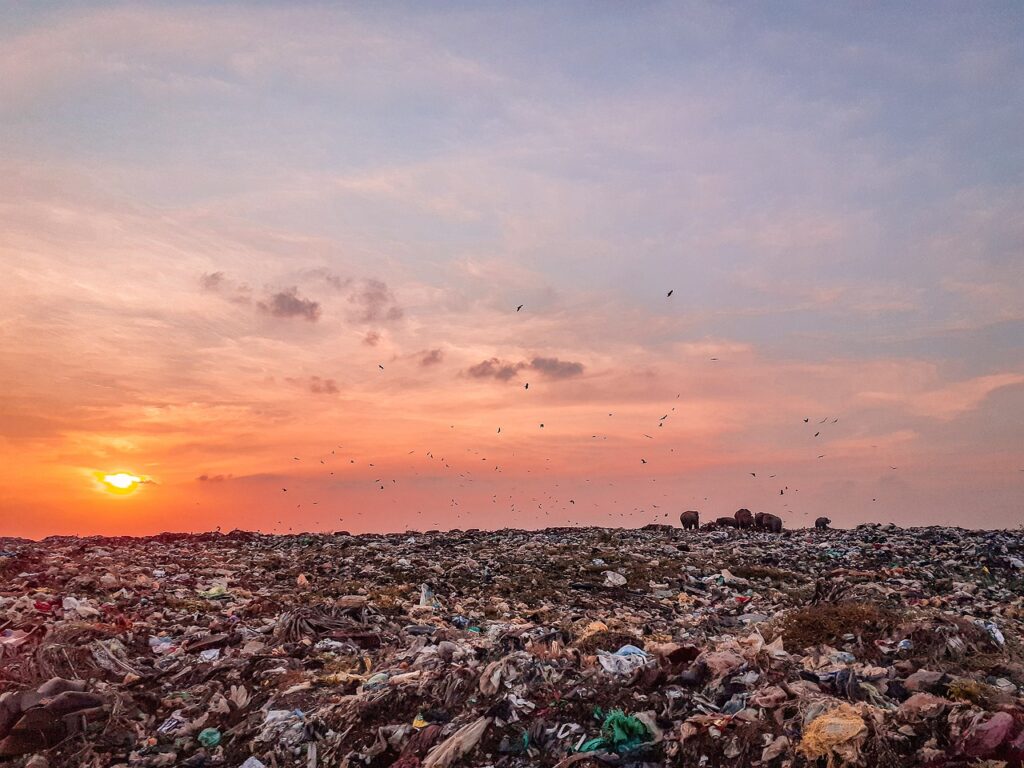
From Kiteezi to Buyala: The Cost of Kampala’s Waste Crisis
From Kiteezi to Buyala: The Cost of Kampala’s Waste Crisis Tracing Uganda’s journey from one landfill disaster to the next. […]
Only 8% of Waste Recycled
Only 8% of Waste Recycled Uganda’s Waste Crisis Is a Resilience Crisis Introduction Uganda’s waste management situation paints a dire […]
Support This Pillar
Waste touches every Ugandan but solutions must begin with us. Join ARDHI in shaping national policies and community actions that build a cleaner, healthier, and more resilient Uganda.